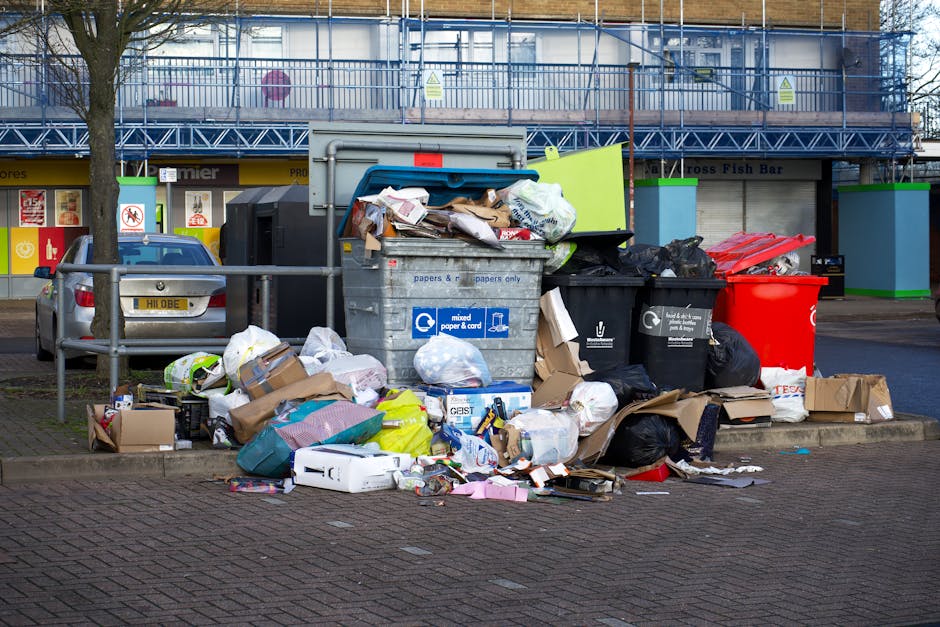
Fryerns estate rubbish clearance without skip hire: a practical local guide
If you live or work around Fryerns estate and you need junk gone quickly, the idea of arranging Fryerns estate rubbish clearance without skip hire can feel like a small relief. No permit worries, no half-filled skip sitting outside for days, and no guessing whether a lorry can even fit where you need it. That matters more than people think. A lot of the hassle is not the rubbish itself, it is the logistics around it.
This guide explains how skip-free clearance works, when it makes sense, what to watch out for, and how to choose the right approach for bulky items, mixed waste, or a bigger clear-out. If you are sorting a flat, a house, a garage, or a pile of builder's mess that has got out of hand, you will find a straightforward way through it here.
For a wider look at related services, it can also help to understand the difference between general waste removal and more specific options such as house clearance or flat clearance. Not every job needs a skip. In fact, quite a few do better without one.
Table of Contents
- Why Fryerns estate rubbish clearance without skip hire matters
- How it works
- Key benefits and practical advantages
- Who this is for and when it makes sense
- Step-by-step guidance
- Expert tips for better results
- Common mistakes to avoid
- Tools, resources and recommendations
- Law, compliance, standards, or best practice
- Options, methods, or comparison table
- Case study or real-world example
- Practical checklist
- Conclusion
- Frequently asked questions
Why Fryerns estate rubbish clearance without skip hire Matters
Skip hire is useful in the right situation, but it is not always the neatest answer. On a busy estate like Fryerns, space can be tight, access can be awkward, and a skip can quickly become more trouble than it is worth. You may need to keep a driveway clear, avoid blocking shared access, or simply get rid of waste without having a large metal container outside your home for several days.
That is where skip-free rubbish clearance comes into its own. It is often a better fit for people who want a same-day or next-day solution, or for anyone clearing mixed items that would take a lot of sorting before going into a skip. It also suits residents who do not want to deal with permits, loading boards, or the constant worry that the skip will attract extra fly-tipping. Let's face it, that last point is a real pain.
There is also a practical side. Estate clearances often involve narrow parking, shared walkways, top-floor flats, or items that need carrying out from multiple rooms. A staffed clearance service can usually handle that sort of job much more smoothly than a skip on the kerb. For furniture-heavy clear-outs, pages like furniture clearance and furniture disposal are especially relevant because they address the awkward stuff: wardrobes, tables, chairs, sofas, and all the bits that seem to weigh more once you start moving them.
Practical takeaway: if the main problem is access, speed, or bulky items rather than sheer volume, skip hire is often the least elegant solution. A direct clearance is usually cleaner, faster, and easier to live with.
How Fryerns estate rubbish clearance without skip hire Works
The process is normally simple. You book a collection, describe what needs removing, and agree a time window. The team then arrives with the right vehicle, loads the items for you, and takes them away for disposal, sorting, and recycling where possible. No skip stays behind. No one has to lift waste over the side of a container in the rain. A small blessing, honestly.
Depending on the job, a clearance may be done by one person or a small team. For heavier loads, the crew should bring equipment and enough manpower to move items safely. If the job includes mixed waste, builders' debris, old appliances, or bagged rubbish, it may be handled under a broader waste removal service. For renovation leftovers, a dedicated builders' waste clearance option can be more appropriate.
What matters most is that the waste is assessed honestly. A reputable provider should be clear about what can be collected, what may need separate handling, and whether anything falls into restricted categories such as electrical appliances or hazardous materials. For example, fridge units and some appliances need different treatment from standard household rubbish, which is why a page like fridge and appliance removal can be useful if that is part of your load.
In many cases, you will be asked to group the rubbish in one place for easier loading, but that does not mean you need to drag everything outdoors yourself. If access is difficult, the crew should be able to work room by room or from a loft, garage, or garden area. That flexibility is the real advantage.
Key Benefits and Practical Advantages
People often think the only benefit is avoiding the skip itself. That is only part of it. The bigger gain is a smoother clean-up with fewer moving parts.
- No skip permit headache: useful if you do not have private driveway space or do not want a container on the road.
- Better for tight access: ideal for estate roads, shared areas, and properties with limited frontage.
- Less visual disruption: your home does not look like a building site for several days.
- Faster turnaround: waste can often be removed in one visit.
- Labour included: you do not need to load the waste yourself from start to finish.
- More flexible for mixed loads: good for combining furniture, bags, bric-a-brac, and general clutter.
- Usually better for one-off clear-outs: especially when the rubbish is awkward rather than enormous.
There is a quiet but important benefit too: it reduces the chance that the job stalls halfway through. People hire skips, then realise the waste is too bulky, too awkward, or too mixed to load efficiently. With a collection service, the problem is handled on the spot. That can save a surprising amount of energy.
For larger domestic projects, you may also want to compare home clearance and loft clearance, because those services are often more efficient than trying to manage everything in separate loads. If your rubbish includes old bedding or sagging furniture, mattress and sofa disposal can be a sensible add-on rather than trying to move such items piece by piece.
Who This Is For and When It Makes Sense
This approach is a strong fit for a lot of people around Fryerns estate. You might recognise yourself in one of these situations:
- You are clearing a flat and there is no space for a skip outside.
- You need old furniture gone before a move, tenancy change, or refurbishment.
- You have clutter built up in a garage, loft, or shed and want the lot removed in one go.
- You are dealing with a garden pile of broken pots, branches, and old outdoor items.
- You have business rubbish to clear without disrupting customers or neighbours.
- You want a tidy, quick solution and do not fancy spending the weekend loading heavy rubbish.
It is also a good option for people who are not sure what all the rubbish includes. Maybe there are a few standard bags, an old wardrobe, a broken freezer, and some random odds and ends. That kind of mixed load can be awkward in a skip, but much easier for a collection team to assess and sort.
If the work is business-related, for example an office tidy-up or stock room clean-out, it may fit better under business waste removal or office clearance. For landlords, letting agents, or anyone dealing with multiple rooms, a more structured house clearance can be the cleaner route.
When does skip hire still make sense? If you already know you will produce a large, steady stream of waste over several days and have room to keep loading it, a skip can still be sensible. But for most one-off estate clearances, skip-free removal is the less stressful choice.
Step-by-Step Guidance
If you want to get the job done without overthinking it, follow this simple process.
- Walk through the space carefully. Look in cupboards, under beds, in corners of the loft, and behind doors. The forgotten bits add up fast.
- Separate obvious categories. Keep furniture, bagged waste, electrical items, and anything potentially hazardous apart where possible.
- Check access. Note narrow staircases, parking restrictions, lift access, or shared hallways. Small details matter on estates.
- Photograph the load if helpful. A few clear pictures can make quoting much easier and reduce surprises on the day.
- Ask what is included. Make sure labour, loading, and disposal are clear before the collection.
- Flag special items early. Appliances, fridges, sharp objects, confidential papers, or anything questionable should be mentioned in advance.
- Prepare the area. Move pets, clear a path, and keep stairs free. No need to stage a show home, just make the route sensible.
- Be present if needed. If the team has questions, being available can save time and reduce confusion.
- Check the space before they leave. A quick final look helps make sure nothing important has gone by mistake. It happens.
A small tip from experience: label anything that is staying. A bit of tape and a marker pen can prevent the classic "was that going too?" moment. Not glamorous, but very useful.
Expert Tips for Better Results
The best clearances are not necessarily the biggest or the fastest. They are the ones that are planned just enough to avoid friction.
Sort by item type, not by room alone
Rooms are useful for checking what you own, but crews usually load more efficiently if items are grouped by type. Put furniture together, bagged waste together, and electricals together. If you are not sure, that is fine. Just do what you can.
Keep a separate pile for anything you want to reuse or donate
Quite often, good items get mixed in with junk when people are rushing. A lamp, a stool, or a fairly decent cabinet can disappear into the "just get rid of it" pile. Take thirty seconds to separate anything you might actually want to keep. It saves regret later.
Think about the route from the property to the vehicle
Longer carries can slow things down, especially in flats. If a load has to travel through communal areas, make sure the route is clear and safe. This is where a professional team earns its keep, because they know how to move items without leaving scuffs and drama behind.
Ask about recycling and reuse
Not everything belongs in the same waste stream. A good provider should look for recycling opportunities where possible and explain what will be separated. If sustainability matters to you, it is worth asking about the company's approach to recycling and sustainability.
Do not leave hazardous items in with general rubbish
Batteries, paint, chemicals, and some electricals need different treatment. Mixing them in with domestic waste can create safety issues and may lead to collection delays. If you have anything unusual, mention it before the visit.
Common Mistakes to Avoid
Most clearance problems are avoidable. The job goes wrong when people assume "rubbish is rubbish" and leave it at that.
- Underestimating the volume: one garage can hold far more than it looks like from the doorway.
- Forgetting access issues: a narrow stairwell or awkward parking bay can change the whole plan.
- Mixing prohibited items in with general waste: this can delay the collection or create extra charges.
- Not checking what the service includes: loading, lifting, disposal, and sorting should be understood clearly.
- Leaving things unlabelled: especially in shared homes or after a tenancy.
- Choosing a provider only on price: cheap can be fine, but not if it means poor communication and sloppy handling.
A common one is assuming that all clearances are the same. They are not. A small flat clear-out, a garage clearance, and a business waste removal job can all look similar from a distance, but they each bring different access and compliance questions. That distinction matters.
Tools, Resources and Recommendations
You do not need a big toolkit, but a few simple things make the process smoother.
- Black bags or rubble sacks: useful for loose household waste and small light items.
- Marker pen and tape: to label keep piles, fragile items, or things not to remove.
- Gloves: basic hand protection is worth having, especially in lofts or garages.
- Phone camera: helpful for photos, inventory, and quick quoting.
- Step stool or torch: handy for loft corners, cupboards, and dark storage spaces.
- Trolley or sack truck: often used by clearance teams for heavy items; you do not need one, but it helps explain why a team is faster than solo lifting.
From a service perspective, it can help to read up on the provider's policies before booking. Pages such as health and safety policy, insurance and safety, and payment and security can reassure you that the company is set up properly. That sort of detail is not exciting, no, but it is exactly what you want when heavy lifting is involved.
If you are comparing costs, the most useful thing is a clear, itemised quote. A good pricing page should explain what influences cost, such as labour, access, volume, and special disposal requirements. Have a look at pricing and quotes before making assumptions based on the size of the pile alone.
Law, Compliance, Standards, or Best Practice
Waste clearance in the UK is not just about getting things out of sight. It also needs to be handled responsibly. In plain English, that means waste should be taken by a legitimate carrier, sorted properly, and disposed of in line with applicable rules and common best practice.
You do not need to become a compliance expert to book a clearance, but you should expect a professional provider to take care with the following:
- Responsible disposal: rubbish should go to appropriate facilities, not dumped somewhere it should not be.
- Separation of special items: some electricals, appliances, and hazardous materials need extra care.
- Environmental good practice: recyclable materials should be diverted where possible.
- Safe handling: crews should work in a way that reduces injury risk and property damage.
- Clear communication: you should know what is accepted, what is excluded, and what happens next.
For items like chemical products, paint, or unknown containers, be cautious. If in doubt, say so. The same applies to confidential paperwork: if you are clearing an office, it may be worth using a dedicated confidential shredding service instead of mixing sensitive documents into general waste.
Best practice also means being honest about waste composition. A mixed load of household clutter is fine; a load containing restricted items that nobody mentioned is not. Clear disclosure saves time and, frankly, keeps everybody safer.
Options, Methods, or Comparison Table
If you are deciding between skip hire and skip-free rubbish clearance, a side-by-side view can help. The "best" option depends on the property, the access, and how hands-on you want to be.
| Option | Best for | Pros | Limits |
|---|---|---|---|
| Skip hire | Large ongoing clear-outs with plenty of space | Good capacity, simple if you can load at your own pace | Permit issues, space needed, labour not included, can sit outside for days |
| Skip-free rubbish clearance | Estate homes, flats, mixed loads, awkward access | Fast, tidy, labour included, less disruption | Usually best for one-off collections rather than slow, multi-day loading |
| Room-by-room clearance | Lofts, garages, homes, and end-of-tenancy jobs | Organised, flexible, good for decluttering | Needs a bit of preparation and clear communication |
| Specialist item removal | Sofas, mattresses, fridges, appliances | Handles awkward or regulated items properly | May need separate handling depending on the item |
There is no single winner for every job, but for Fryerns estate rubbish clearance without skip hire, the second option is usually the most practical. It is the "get it done and move on" method, and that is often exactly what people want.
Case Study or Real-World Example
Imagine a two-bedroom flat on Fryerns estate after a long-overdue declutter. The hallway has a broken chair, the living room has a sofa that has seen better days, the spare room has bags of mixed household bits, and the loft is full of cardboard, old decorations, and a few awkward boxes. There is no obvious driveway space for a skip, and the estate parking is already tight by mid-morning.
In that situation, a skip would be workable in theory, but not especially elegant. Instead, a skip-free clearance team can come in, assess the load, and remove the items in one visit. The sofa is handled as part of sofa disposal, the unwanted household clutter goes with the general load, and the loft items are carried down carefully rather than shuffled into a container outside.
The difference is not just speed. It is the feeling at the end of the day. Instead of looking at a metal box full of waste and wondering what is still left to sort, you are left with a clear space and one less thing hanging over you. Sometimes that matters more than people expect. A cleared room feels different. Quieter, almost.
For a larger property, the same approach could be adapted into a full home clearance or, where needed, a more specific garage clearance. The method changes slightly, but the principle stays the same: remove the stress along with the rubbish.
Practical Checklist
Use this checklist before booking your clearance.
- Identify the main types of waste you need removed.
- Separate anything you want to keep, donate, or sell.
- Check for special items such as fridges, batteries, chemicals, or sharp objects.
- Note access issues like stairs, narrow corridors, or limited parking.
- Take a few clear photos of the load if you want a smoother quote.
- Ask whether labour, loading, and disposal are included.
- Confirm any items that need specialist handling.
- Make the route to the items as clear as possible.
- Keep pets and children away from the work area during collection.
- Do a final walk-through before the team leaves.
If your clear-out includes anything seasonal or outdoor, such as branches, old pots, or broken garden furniture, you may also want to look at garden clearance. If the job is a bit of everything, that is fine too. Mixed waste is very normal. Really normal.
Conclusion
Fryerns estate rubbish clearance without skip hire is often the most sensible way to deal with a cluttered flat, house, garage, loft, or mixed household load. It avoids the main frustrations that come with skips, especially poor access, permit worries, and the sheer effort of loading everything yourself. More importantly, it gives you a cleaner, faster route back to a usable space.
The best approach is usually the one that fits the property, the waste type, and your time. If you want a neat, practical solution with less disruption, skip-free clearance is well worth considering. Keep the special items separate, be clear about access, and choose a provider that takes disposal and safety seriously. That simple bit of planning makes the whole job easier.
Get a free quote today and see how much you can save.
And if you are still weighing it up, that is fine. A good clearance should make life easier, not more complicated.
Frequently Asked Questions
What does rubbish clearance without skip hire mean?
It means the waste is collected by a team that loads and removes it directly, rather than leaving a skip on your property or on the road.
Is skip-free clearance better than skip hire for Fryerns estate?
Often yes, especially where access is tight, parking is limited, or you only need a one-off collection. It is usually more convenient for flats and smaller outdoor spaces.
Can bulky furniture be removed without a skip?
Yes. Sofas, wardrobes, beds, tables, and similar items are commonly removed as part of furniture clearance or general waste removal.
Do I need to move the rubbish outside first?
Not always. Many clearances are done from inside the property, garage, loft, or garden area. The exact setup depends on access and the service booked.
What items should I mention before booking?
Tell the provider about fridges, appliances, sharp items, chemicals, paint, batteries, or anything you are unsure about. That helps avoid delays and misunderstandings.
How do I know if my waste needs special handling?
If it is hazardous, electrical, pressurised, or confidential, it may need separate treatment. When in doubt, ask before the collection.
Is rubbish clearance without a skip quicker?
It usually is. Collections are often completed in one visit, whereas a skip may stay on site for days while you load it yourself.
What happens to the waste after collection?
It should be taken for sorting, recycling where possible, and disposal at appropriate facilities. Ask the provider about their recycling approach if that matters to you.
Can I use this service for a loft or garage clear-out?
Yes. In fact, lofts and garages are some of the most common reasons people choose skip-free rubbish clearance in the first place.
Will this work for an end-of-tenancy clean-out?
Absolutely. It is often a good fit for tenancy changes, especially where time is tight and you need the property cleared quickly.
Do I need to sort everything before the team arrives?
No, but a little sorting helps. Separate keep items, special waste, and anything bulky if you can. The clearer the picture, the smoother the job.
How can I compare my options fairly?
Look at access, waste type, labour included, likely speed, and any special disposal needs. If the job is mixed or awkward, skip-free clearance is often the simpler route.